


10 Early Warning Signs of Fall Risk You Shouldn’t Ignore

Falls are rarely random accidents; they are usually preceded by clear, subtle warning signs. Recognizing these markers early allows you to take preventive action before an injury occurs.
Here are 10 early signs of fall risk you should never ignore:
Physical & Behavioral Changes
"Furniture surfing" or wall-touching: Holding onto tables, walls, or chairs while walking across a room signals underlying instability.
Difficulty standing up from a chair: Needing to rock forward or use your arms to push out of a seat indicates lower-body and core weakness.
Changes in walking style (gait): Shuffling, dragging feet, or taking shorter, uneven steps can make tripping over minor obstacles much easier.
Slower walking speed: A noticeable drop in your normal walking pace often reflects a decline in strength or a subconscious fear of losing balance.
A growing fear of falling: Cutting back on social activities, exercise, or basic tasks out of a worry that you might fall actually accelerates muscle weakness and increases your risk.
Sensory & Internal Red Flags
Frequent dizziness or vertigo: Feeling lightheaded when standing up quickly or feeling like the room is spinning directly compromises steady balance.
Unexplained bruising: Discovering bruises on limbs, hips, or shoulders without a clear memory of an injury often points to "hidden" minor stumbles or close calls.
Rushing to the bathroom: Changes in toileting patterns—such as urinary urgency or frequent nighttime visits—often cause individuals to move too fast or navigate dark rooms safely.
New or worsening vision issues: Difficulty judging depth, spotting changes in flooring (like moving from carpet to wood), or seeing low obstacles increases trip hazards.
Recent medication changes: Starting a new prescription—especially for blood pressure, sleep, anxiety, or pain—can introduce side effects like drowsiness or instability.
Physical therapy is one of the most effective ways to lower fall risk because it directly targets the physical root causes of instability. A physical therapist (PT) does not just look at how you walk; they evaluate your entire musculoskeletal and neurological systems to build a personalized defense against falls.
Here is exactly how physical therapy helps reduce fall risk:
Personalized Risk Assessment
Identifying specific weak points: A PT conducts specialized tests to measure your balance, leg strength, posture, and walking style (gait).
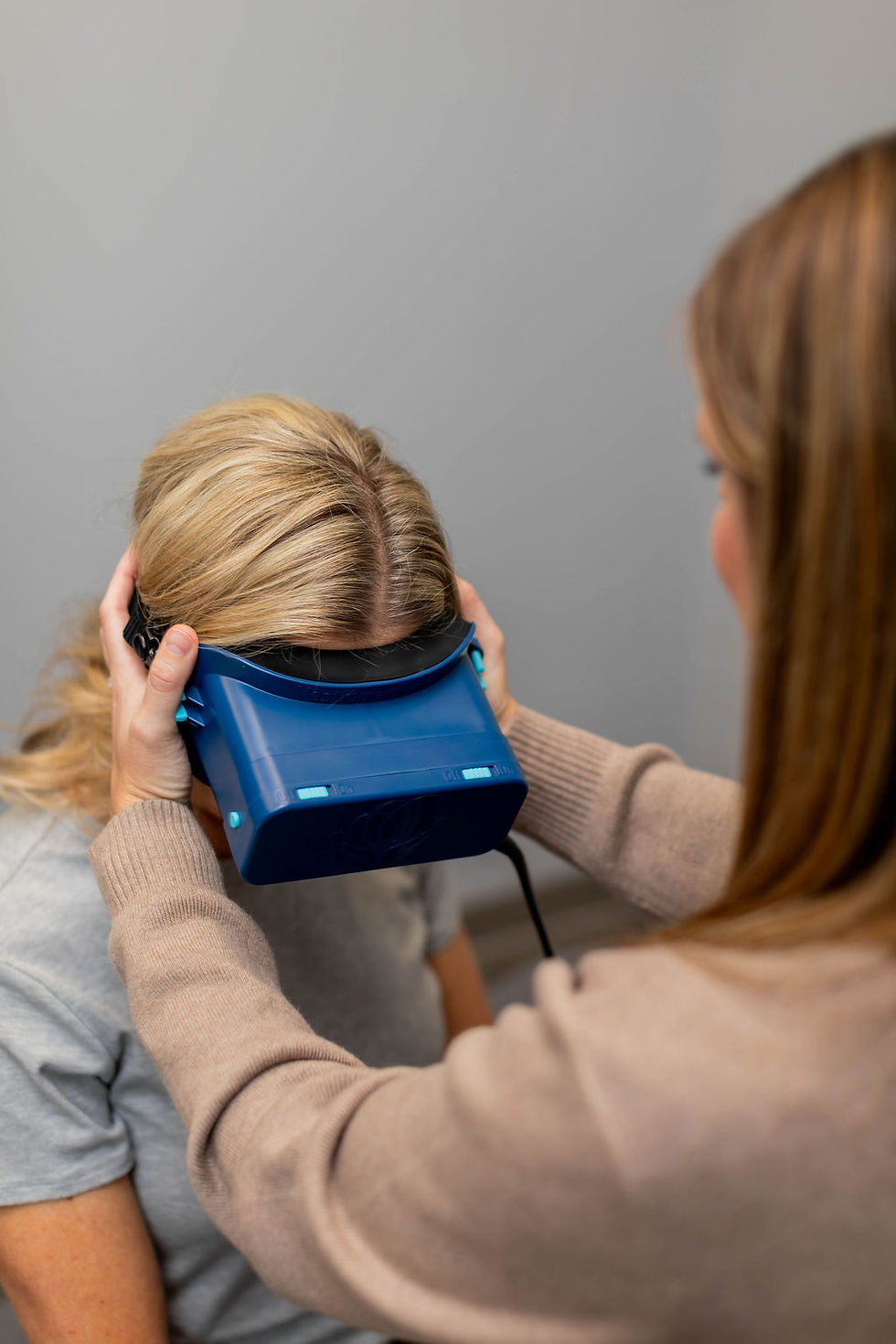
Pinpointing sensory issues: They evaluate how well your brain, eyes, and inner ear (vestibular system) are working together to keep you upright.
Physical Conditioning & Rehabilitation
Targeted strength training: PTs design exercises to strengthen core muscles, hips, ankles, and legs, making it much easier to stand up from chairs and stay steady on your feet.
Balance and coordination drills: You will practice dynamic balance exercises—like standing on one foot or shifting your weight—to retrain your body to handle uneven surfaces like grass or cracked sidewalks.
Gait correction: If you shuffle, drag your feet, or take uneven steps, a PT will work on your walking mechanics to help you lift your feet properly and take safer, more confident strides.
Neurological & Reflex Training
Improving "catch-up" reflexes: If you trip, your body needs to react instantly to catch itself. PTs train your central nervous system to react faster, turning a potential fall into a simple stumble.
Vestibular rehabilitation: If your fall risk is driven by dizziness or vertigo, specialized inner-ear exercises can recalibrate your balance and stop the spinning sensations.
Mobility Aid & Strategy Education
Proper cane or walker fitting: Using a mobility aid that is the wrong height or used incorrectly can actually increase fall risk. A PT ensures your equipment fits perfectly and teaches you how to use it safely.
Safe movement strategies: You will learn safer ways to navigate everyday challenges, such as turning around in tight spaces, getting in and out of bed, and climbing stairs.
Improving your balance at home is easy, safe, and takes just a few minutes a day. When practicing balance, safety must be your top priority. Always perform these movements next to a sturdy kitchen counter, a heavy table, or the back of a solid chair so you can immediately grab hold if you feel wobbly.
Here are five beginner-friendly balance exercises you can start doing safely at home:
Stationary Exercises (Static Balance)
Single-Leg Stand: Stand tall behind your support surface. Lift one foot a few inches off the floor and try to hold the stance for 10 to 15 seconds. Switch legs and repeat 3 times per side.
Heel-to-Toe Standing (Tandem Stance): Place one foot directly in front of the other so the heel of your front foot touches the toes of your back foot, like you are standing on a tightrope. Try to hold this position without support for 20 seconds, then switch feet.
Movement-Based Exercises (Dynamic Balance)
Marching in Place: Stand facing your counter or chair. Alternately lift your right and left knees toward your waist in a slow, controlled marching motion. Repeat 20 times total, utilizing the counter for steadying support as needed.
Heel-to-Toe Walk: Find a clear pathway next to a wall or countertop. Walk forward in a straight line, intentionally placing your heel directly in front of your opposite foot's toes with each step. Take 10 to 20 gradual steps forward.
Functional Strength & Stability
Sit-to-Stand (Chair Squat): Sit on a sturdy, firm chair with your feet flat on the floor. Lean your torso forward slightly ("nose over toes") and push through your legs to stand up completely without using your hands if possible. Slowly sit back down rather than falling into the seat. Complete 10 controlled repetitions.
Next Steps for Prevention
If you or a loved one are experiencing these symptoms, you can start tracking risk factors by reviewing the CDC's Fall Risk Assessment Guide. It is also highly recommended to schedule a visit with a primary care doctor or a physical therapist, who can evaluate balance and recommend an individualized plan.
By: Olivia Manuel
Contact Activate Physical Therapy and Wellness to schedule a balance and fall-risk evaluation and learn how proactive physical therapy can help you stay strong, steady, and independent. Whether you're concerned about fall prevention, recovering from an injury, or simply want to maintain an active and independent lifestyle, our team can help you move safely and confidently.


Comments